
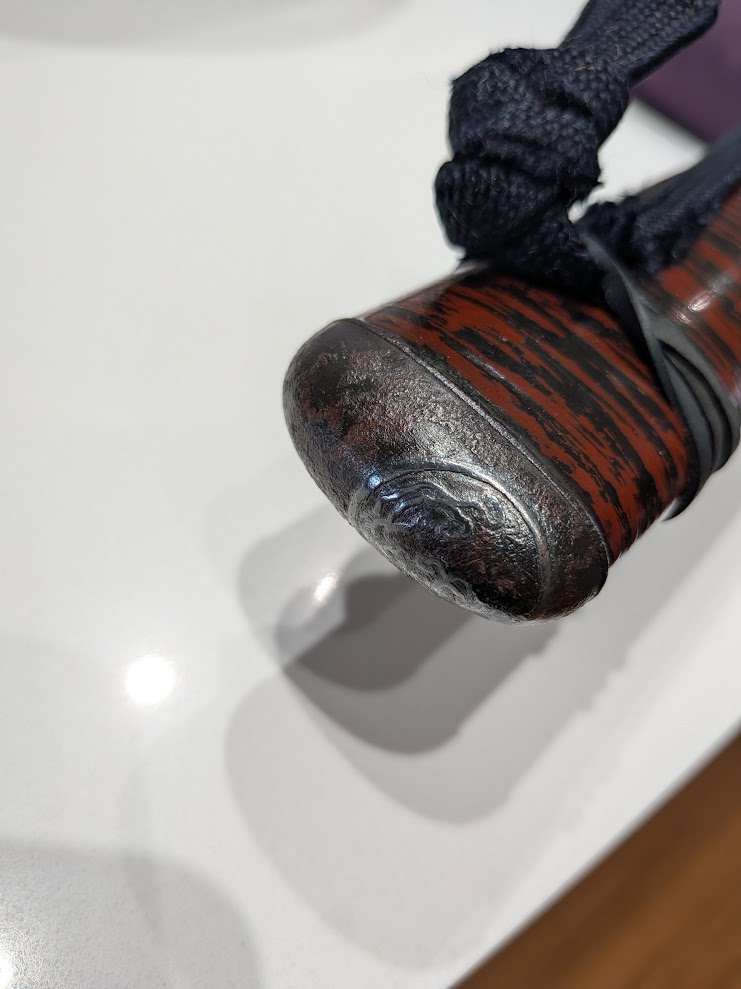
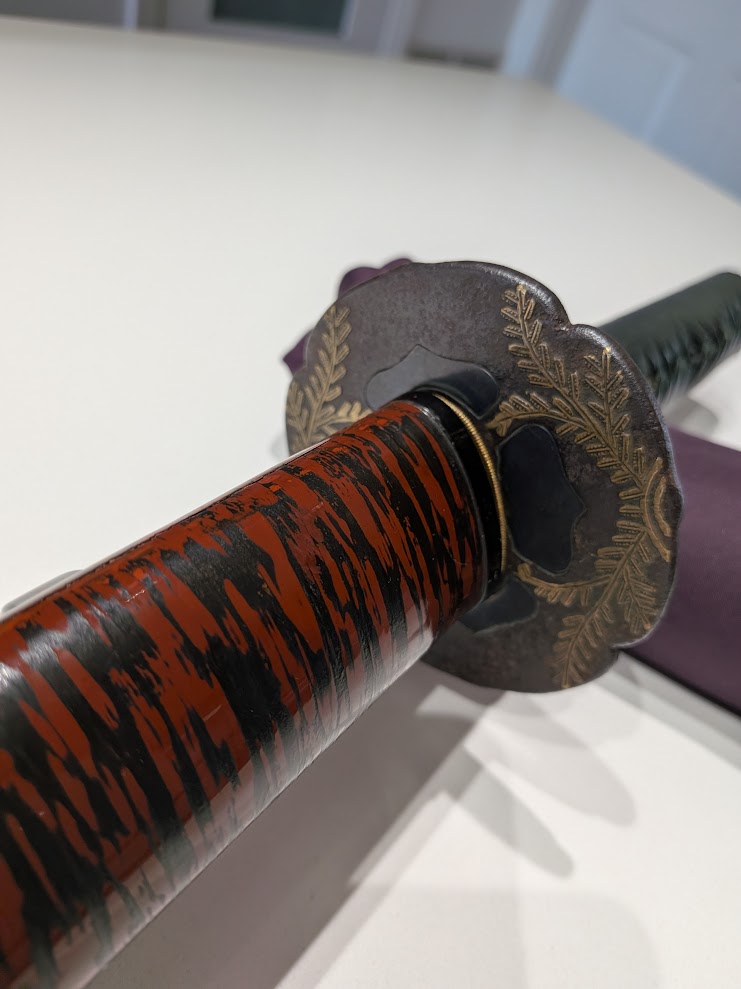
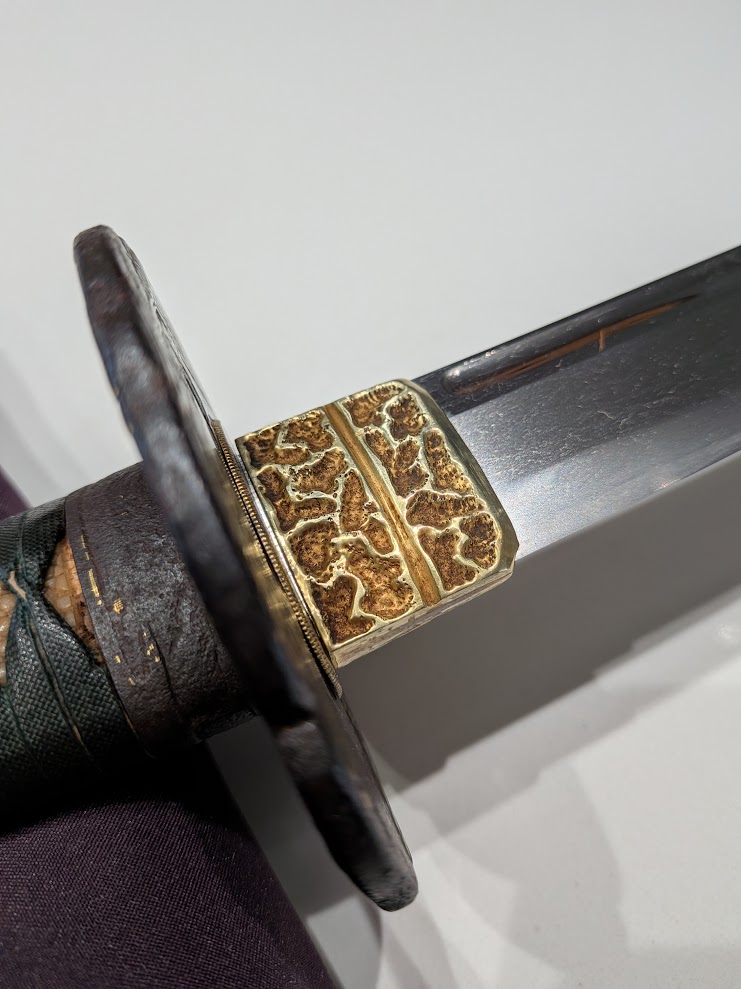
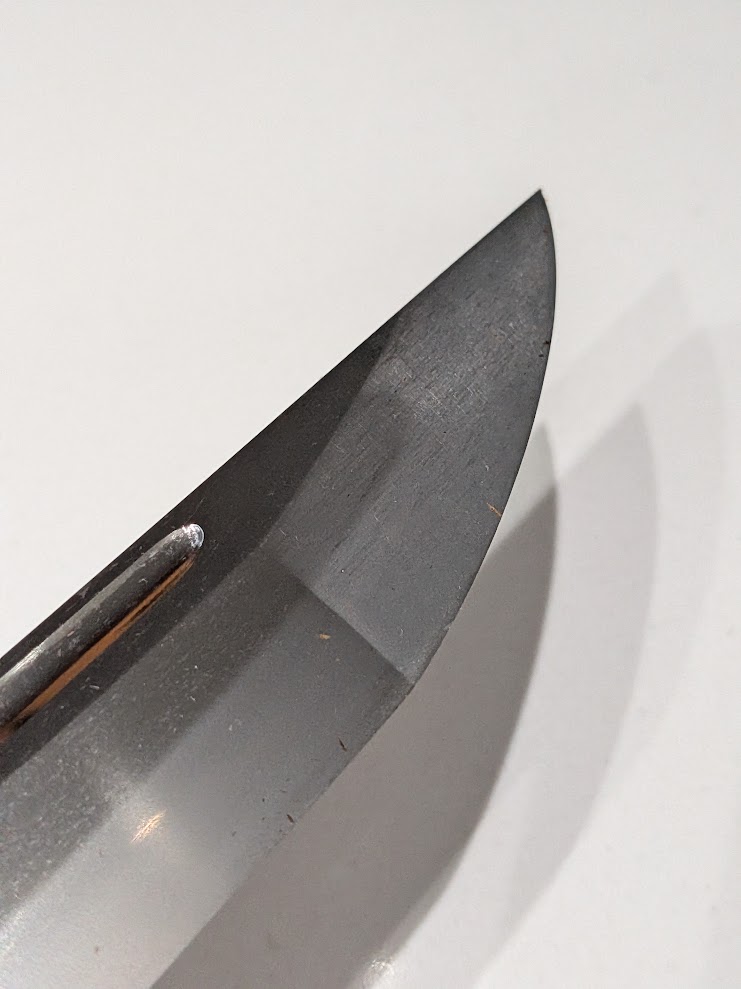
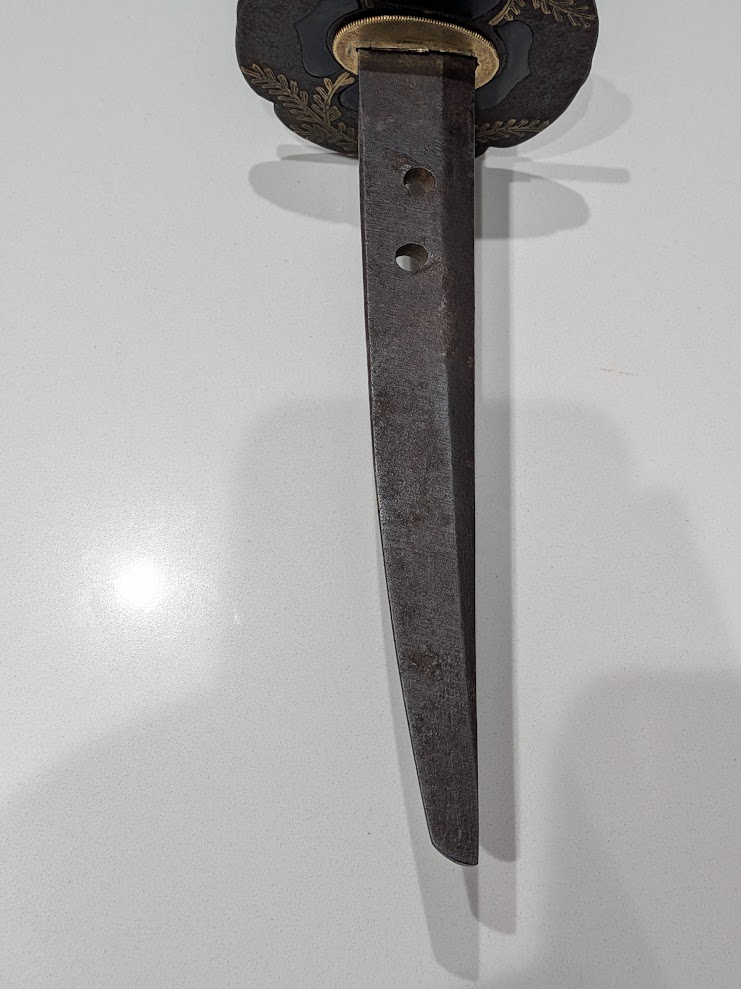
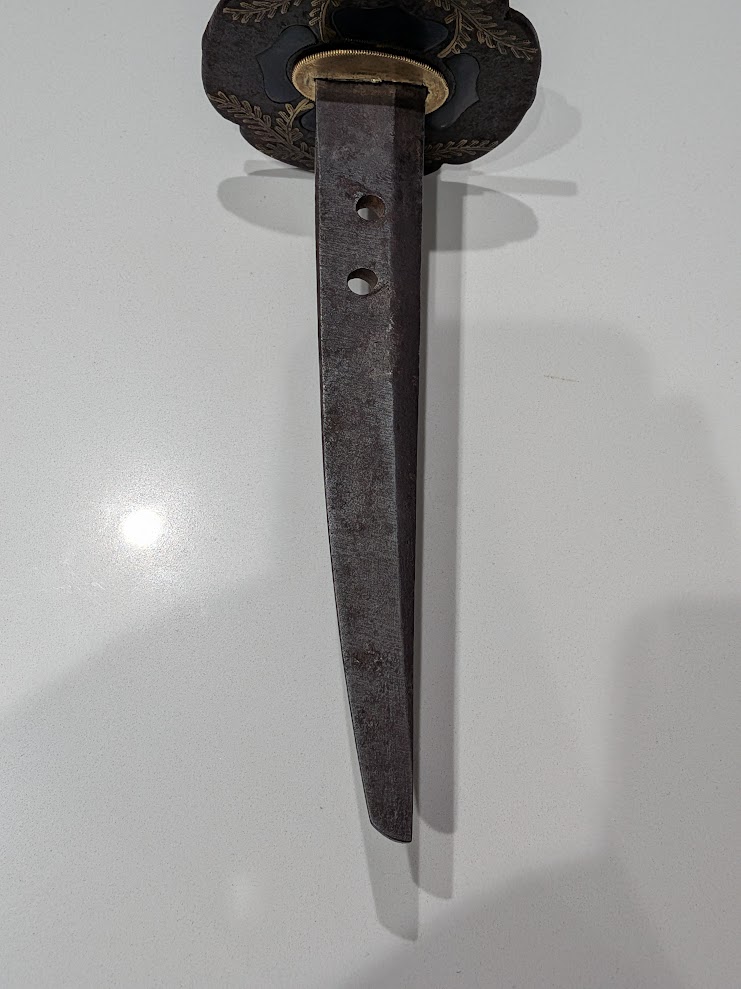
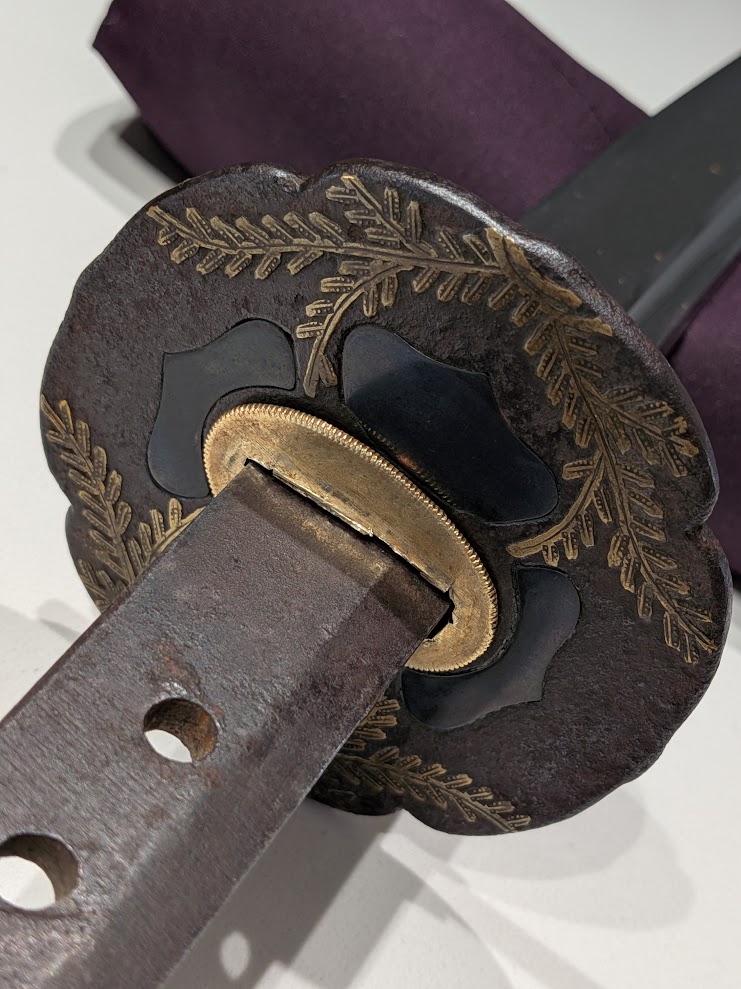
The Sengo school—best known by the representative swordsmith Muramasa—was a school centered at Kuwana in Ise Province in the late Muromachi period. Its documented history is clearest from the early 1500s: an extant Muramasa blade dated Bunki 1 / 1501 is treated as a key anchor for the lineage, and later scholarship generally distinguishes successive Muramasa generations working through the Tenbun and Tenshō eras. The school’s best-known smiths include the Muramasa generations and related Sengo-line smiths such as Masashige and Masazane.
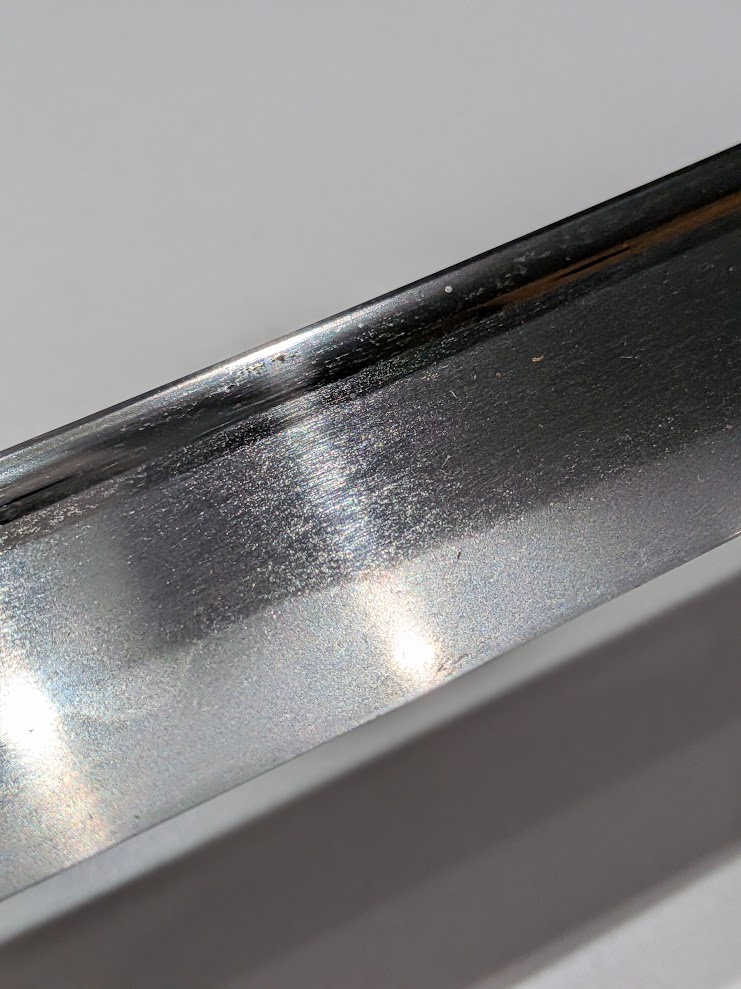
Artistically, Sengo work is prized for a forceful, sharp-looking style associated with Sōshū- and Mino-influenced workmanship: itame/mokume grain, nie activity, vigorous gunome-notare hamon, frequent sunagashi and kinsuji, and the famous diagnostic trait that the hamon on the two sides of the blade often mirrors or closely corresponds. The school’s later fame, however, was shaped as much by legend as by metallurgy: Muramasa blades became linked in Edo-period lore with misfortunes of the Tokugawa family, turning them into symbols of misfortune and even political objects among anti-Tokugawa circles. That reputation should not obscure their historical status as technically distinctive and highly-capable blades.
$6,750.00
Reviews
There are no reviews yet.